ASTM E8/E8M: An International Standard for Tensile Testing
ASTM E8/E8M is a globally recognized test standard developed for tensile testing of metallic and steel materials at room temperature, typically ranging from 10°C to 38°C (50 to 100°F). This standard is widely used across various manufacturing industries such as automotive, metalworking, alloys, and building construction. Both corporate sectors and government bodies prefer ASTM standards, and in Malaysia, ASTM E8/E8M is the prevailing standard adopted by most industries and the Malaysian government.
Fundamentally, ASTM E8/E8M measures the strength and ductility of metals, steels, alloys, and other materials subjected to uniaxial tensile stress. The data gathered from these tests is critical for material comparison, alloy development, quality control, and design considerations under specific conditions. The ASTM standard is split into two versions: E8 for users of the imperial system and E8M for metric system users. Tensile strength tests are typically conducted using a Universal Testing Machine (UTM), also known as a tensile testing machine. The primary tensile properties measured under ASTM E8/E8M include:
Yield Strength
Yield Point Elongation
Tensile Strength
Reduction of Area
Specimens
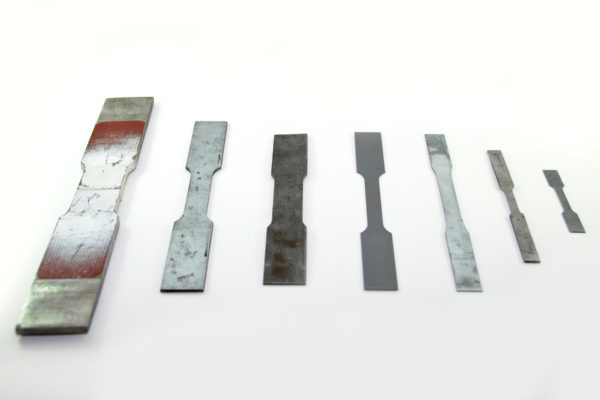
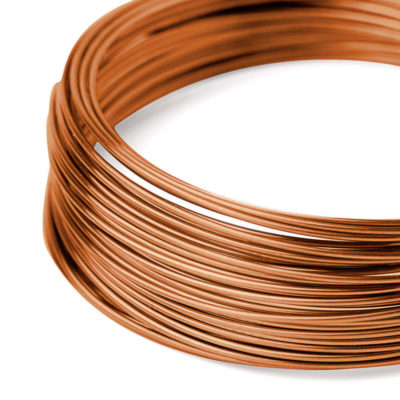
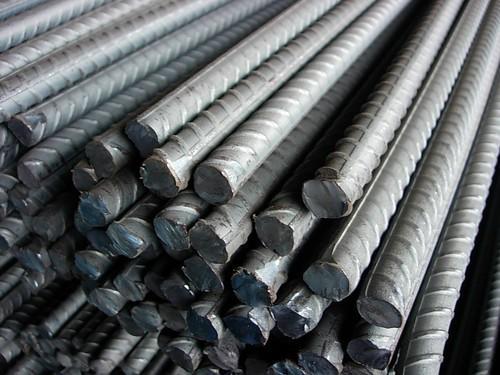
The most commonly tested specimen shapes under ASTM E8/E8M are rectangular and round. Rectangular specimens require a flat-shaped inside grip, while round specimens use a curved inside grip. The standard accommodates a variety of specimen types, including dogbone-shaped, bar, tube, sheet, plate, wire, rod, pipe, and tube. Selecting the correct grip for each specimen type is crucial for accurate testing.
Common specimen types include:
1. Round specimen 2. Threaded round specimen 3. Flat dogbone specimen
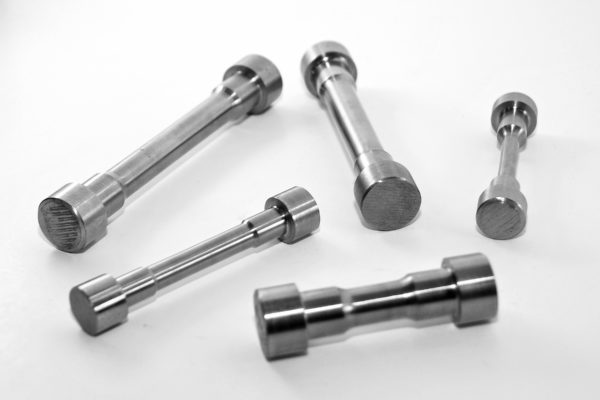
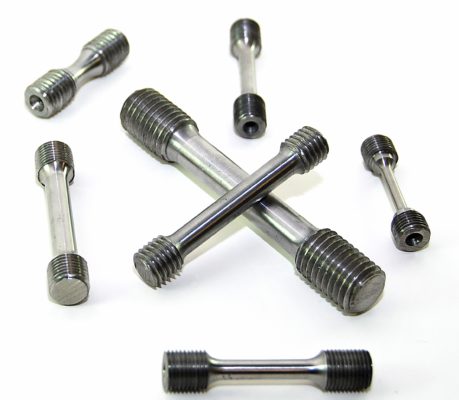
4. Wire specimen 5. Steel rod specimen
Grips
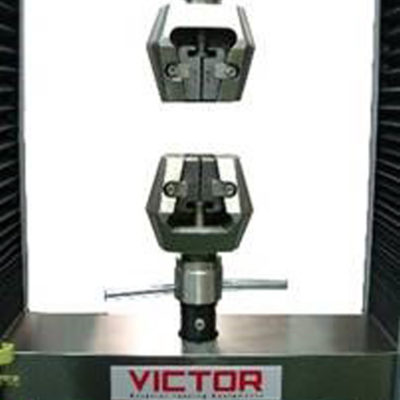
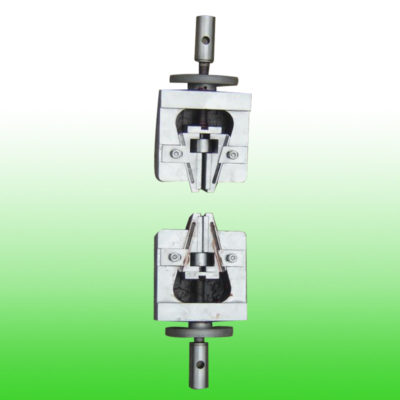
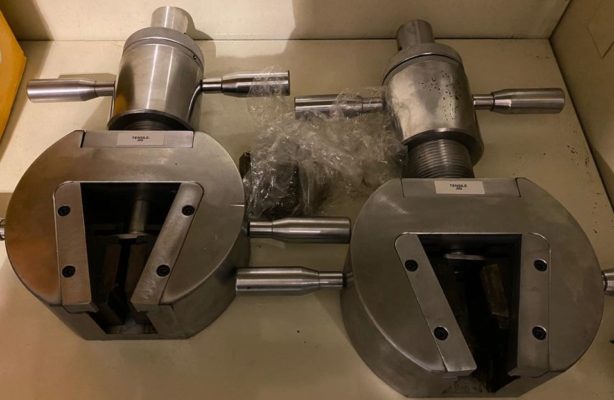
Mechanical grips used in tensile testing are designed to self-tighten as the test progresses. These grips are particularly suited for high-strength tensile tests and can accommodate both flat and round specimens. Wedge grips are widely favored for tensile testing of metallic materials because they increase gripping pressure by pulling the specimen tighter into the narrow wedge area.
Common grip types include:
1. Mechanical wedge grip 2. Tensile wedge grip 3. Jaw tension clamp
Extensometers
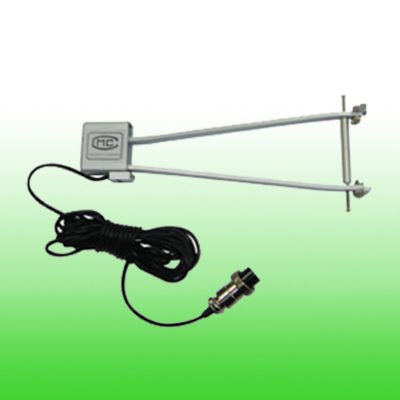
Tensile testing of metallic materials requires high-precision devices to measure deformation accurately. For properties at lower strain values, such as modulus or yield, highly accurate extensometers are needed, while slightly lower accuracy devices are acceptable for higher strain values like uniform or total elongation. The typical extensometer used in tensile tests of metals is an electronic extensometer.
Extensometer Malaysia
1. Electronic extensometer
Type of UTM Machine
For tensile testing under ASTM E8/E8M, we recommend Universal Testing Machines with capacities ranging from 50kN to 100kN, depending on the material’s strength. Dual-column floor-type machines are preferred for stability and precision.
1. VEW 2302 Series
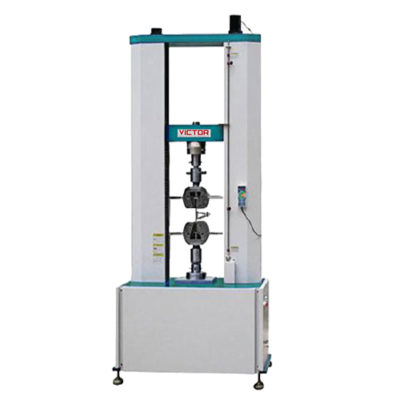
One recommended model is the VEW 2302 Series, a computer servo-type UTM that combines electronic technology with mechanical transmission. It offers accurate load speed control, high sensitivity for load and displacement measurement, and supports constant-velocity loading and displacement. This machine is easy to operate and is ideal for quality control in production lines. It is suitable for testing both metallic and non-metallic materials with loads up to 30 tons.
Main Functions:
Testing metallic and non-metallic materials under tension, compression, bending, shear, peel, tear, and two-point extension
Suitable for materials such as rubber, plastics, wires, cables, optical fibers, safety belts, leather belts, plastic profiles, waterproof membranes, steel, copper, spring steel, stainless steel, castings, plates, strips, and non-ferrous metal wires
Test Procedure
Prepare the specimens according to the standard method.
Insert the specimen into the appropriate grips.
Clamp the specimen at the top grip first, then carefully secure it in the bottom grip.
Attach the extensometer to the specimen.
Zero the testing machine before starting.
Start the test using the software control.
Conclude the test once the specimen breaks (ruptures).